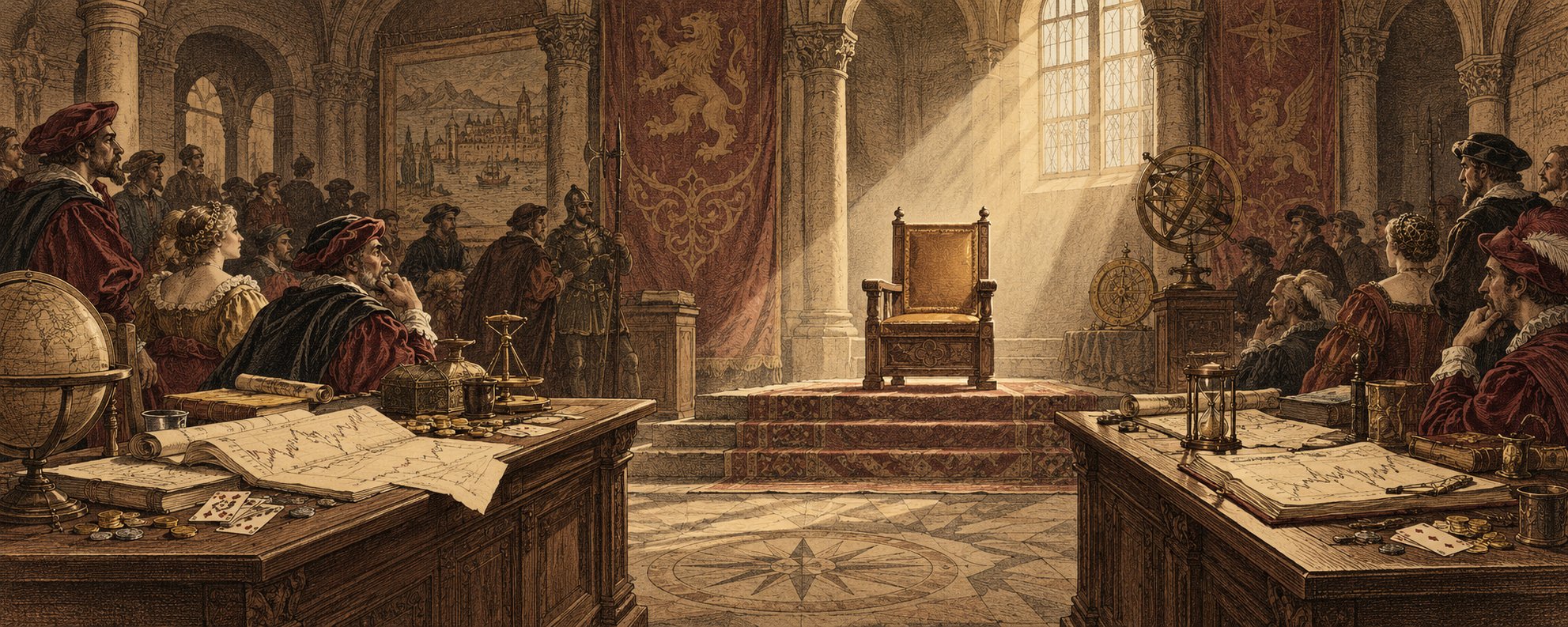
who will be the final boss of competitive trading?
league has faker. starcraft has flash. legends who define an entire game.
when someone beats them, it's a story. when they keep winning, it's a dynasty. when they lose and come back, you have a reason to watch.
those stories depend on something pretty basic: the best players have to keep showing up near the top.
that's where i'm skeptical of live trading. does 30 minutes of discretionary pnl tell you enough about someone's skill to build a narrative?

why poker works
but poker has luck too. why does that work?
you can get your money in with the better hand and still lose. a complete amateur can knock out a world-class player. but across enough hands and events, you can start to see consistent results.
a study of the 2010 world series of poker identified skilled players before the events began. that group returned over 30% on its tournament entries on average; everyone else averaged a loss of about 15%.
that gives an upset meaning. in 2003, chris moneymaker beat sam farha, an established pro, in the wsop main event. an accountant who qualified online became world champion. you could imagine being that guy.
a newcomer doesn't need a long history. however, the world he's breaking into still needs an established hierarchy.
realizing an edge
the recent frontier traders final in belgrade lasted just 20 minutes: head to head, winner takes all.
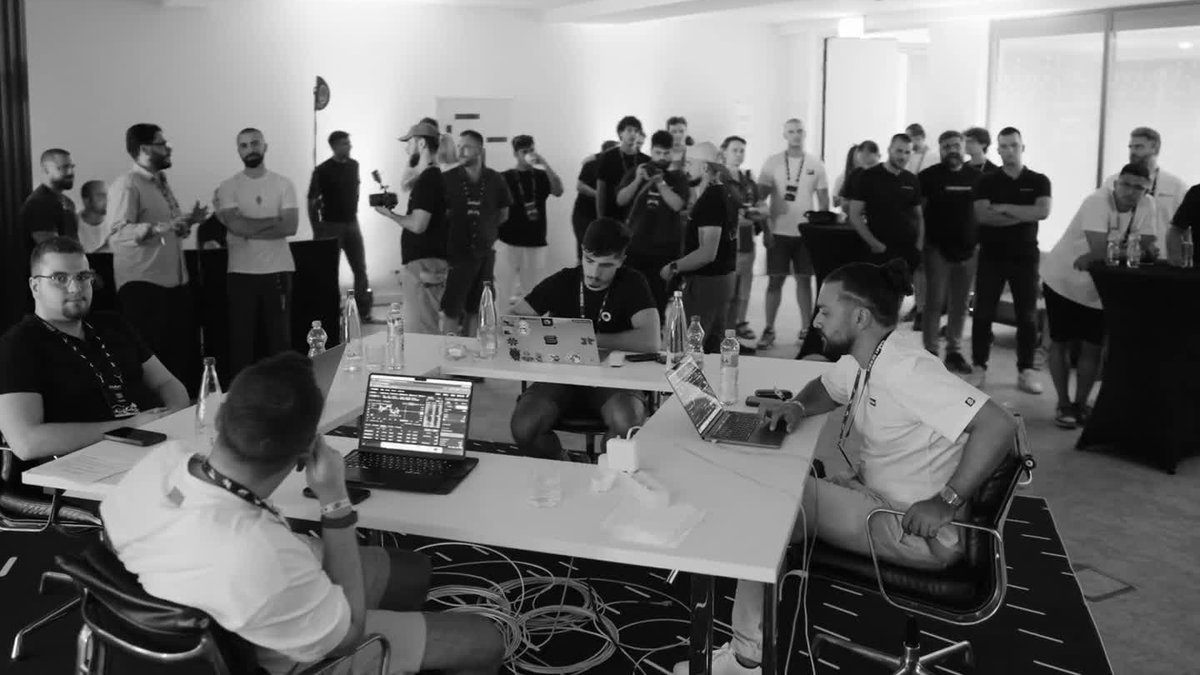
a great trader might spend that entire time waiting for a trade worth taking. that's a perfectly reasonable trading decision, but a pretty terrible spectator experience.
of course, market making and automated execution strategies can operate on short time frames. but that's different from putting discretionary traders on a stage and expecting 20 minutes of pnl to tell us who's better.
trading could reveal skill across enough events too. the question is whether it happens fast enough to give viewers a hierarchy worth following.
my intuition is that at low timeframes, discretionary trading is basically a coin-flip. if each event mostly picks whoever caught the right move, it's hard for the results to build on each other. last week's champion doesn't give you much reason to expect anything this week.
in these short, pnl-scored competitions, i think there are really only two viable strategies:
- in a large field, make a big bet and get paid.
- in a 1v1, pick up pennies in front of a steamroller.
making big bets
say you're competing against 100 people. you make a few sensible trades and finish up 5%.
great. someone else is up 50%.
maybe it was an incredible play. maybe they put on a stupid amount of leverage and won the coinflip. either way, they beat you.

if enough people are taking big swings, some of them will land.
that's why the only viable way to play a large field like this is to take a high volatility bet and try to spike a win. especially when the prizes at the top are large relative to the money you're risking. a strategy can be hugely +ev and still have little chance of winning the tournament.
i took the big-bet route myself in june’s perps games, a week-long competition on phoenix trade with $26,000 in prizes. i finished 2nd by pnl out of 172 entrants. one highly leveraged spcx long accounted for almost all of my net profit.
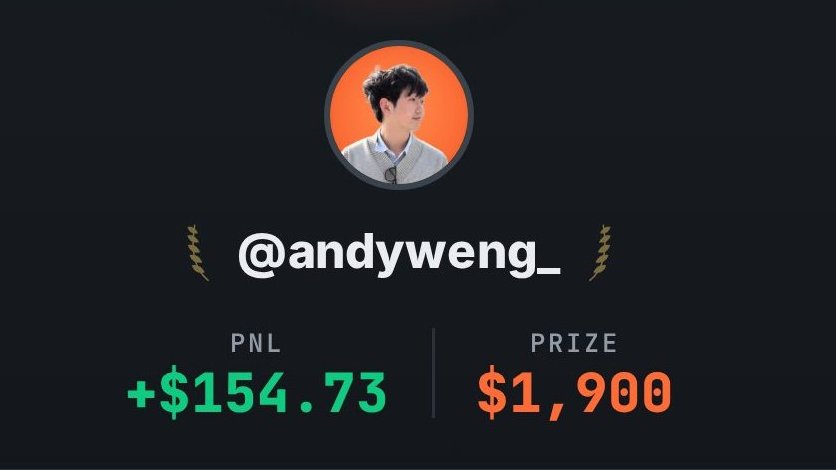
this is clearly not a repeatable strategy, and in most other circumstances a -ev decision to make.
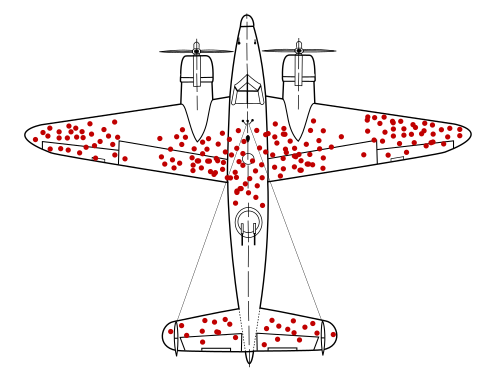
the question here is what this finish would tell you about my results in another event. does my second place bink here off a single high leverage trade predict how well i would do next time? i would argue no.
picking up pennies
against one opponent, you only need to finish slightly ahead. that pushes you toward picking up pennies in front of a steamroller: frequent small wins with an occasional blowup.
suppose your opponent finishes flat. you can take a hypothetical bet that wins $1 95% of the time and loses $100 the other 5%.
that bet loses money on average. it also beats this opponent 95% of the time.

against a flat opponent, losing $100 eliminates you just as surely as losing $1. you're optimizing for winning the match, not making money.
there's an obvious objection here: learning when to gamble, when to protect a lead, and how to play your opponent is itself a skill.
i agree. if that skill is enough to produce the same group of winners across events, then competitive trading has found the foundation for a sport. a format doesn't have to reward good long-term investing to be a good competitive game.
my bet is that the short time frame leaves too much of the result to the market for that hierarchy to establish itself.
closing thoughts
consistent deep runs from the same traders would change my mind. that's how you get a champion, a challenger, and a reason to watch.
these experiments are worth running. but i'm still structurally bearish: take a big swing against the field, or collect small wins against one opponent and hope you don't blow up on camera.
would be very happy to be proven wrong here.